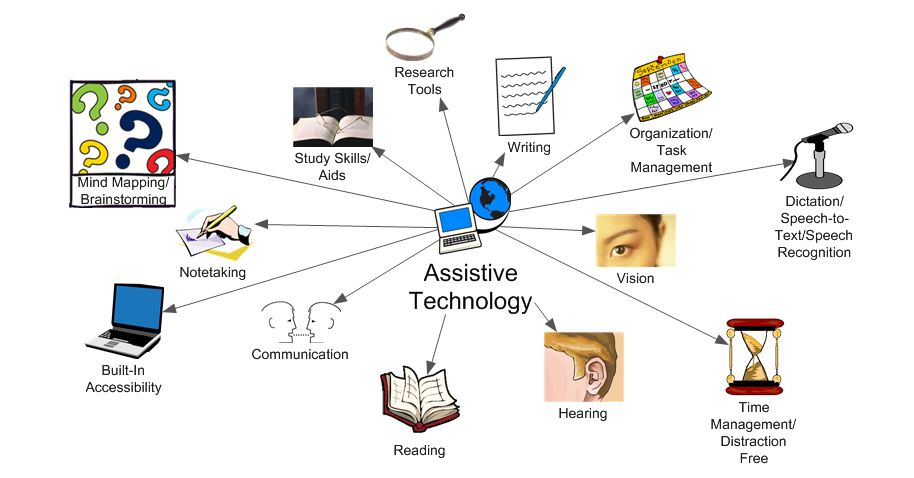
Are there any digital accessibility practices that you often see being missed? Are there any that you know YOU often miss?
Voice Memo transcription:
Reading about assistive technology and intentionality in technology made me realize how often digital accessibility is treated as an afterthought in the classroom rather than as a foundation. And while many teachers are familiar with adding captions or texts, there are often more subtle practises that are frequently overlooked. One of these is meaningful link text. So, instead of writing descriptive links like download the course outline, It is common to see vague phrases like click here. For users who navigate this by just pulling up a list of links, generic words like “click here” makes it difficult to understand where each link leads. Another overlooked practice that the assistive technology article talked about was the use of proper heading structures. And sometimes we like to use these to make it more appealing to see where information is going and to break it up. But it’s not always done correctly, and people reading our blogs really rely on these structures to navigate the content officially. So they must be present.
Why do you think many digital accessibility practices aren’t more well-known or commonly used?
Voice Memo transcription:
I think many digital accessibility practices aren’t more widely known because accessibility is often framed as a technical add-on rather than a core principle in the design of technology. In teacher education, accessibility can almost feel like another requirement layered on top of our already rather demanding workload, but when educators aren’t juggling their curriculum, their assessment, and cluster management, accessibility can kind of seem more like a secondary aspect rather than foundational. There is also a misconception that accessibility only benefits a minority group of students, but in reality, accessible design supports everyone. From learners who access content on mobile devices, students who are in noisy environments who rely on captions, or maybe those with injuries that affect their ability to use a mouse. However, accessibility barriers are invisible to those who don’t expect them or encounter them on a daily basis; it becomes really easy to assume that content is inclusive, just because it appears organized.